More Articles
Please check out more of our useful blog posts
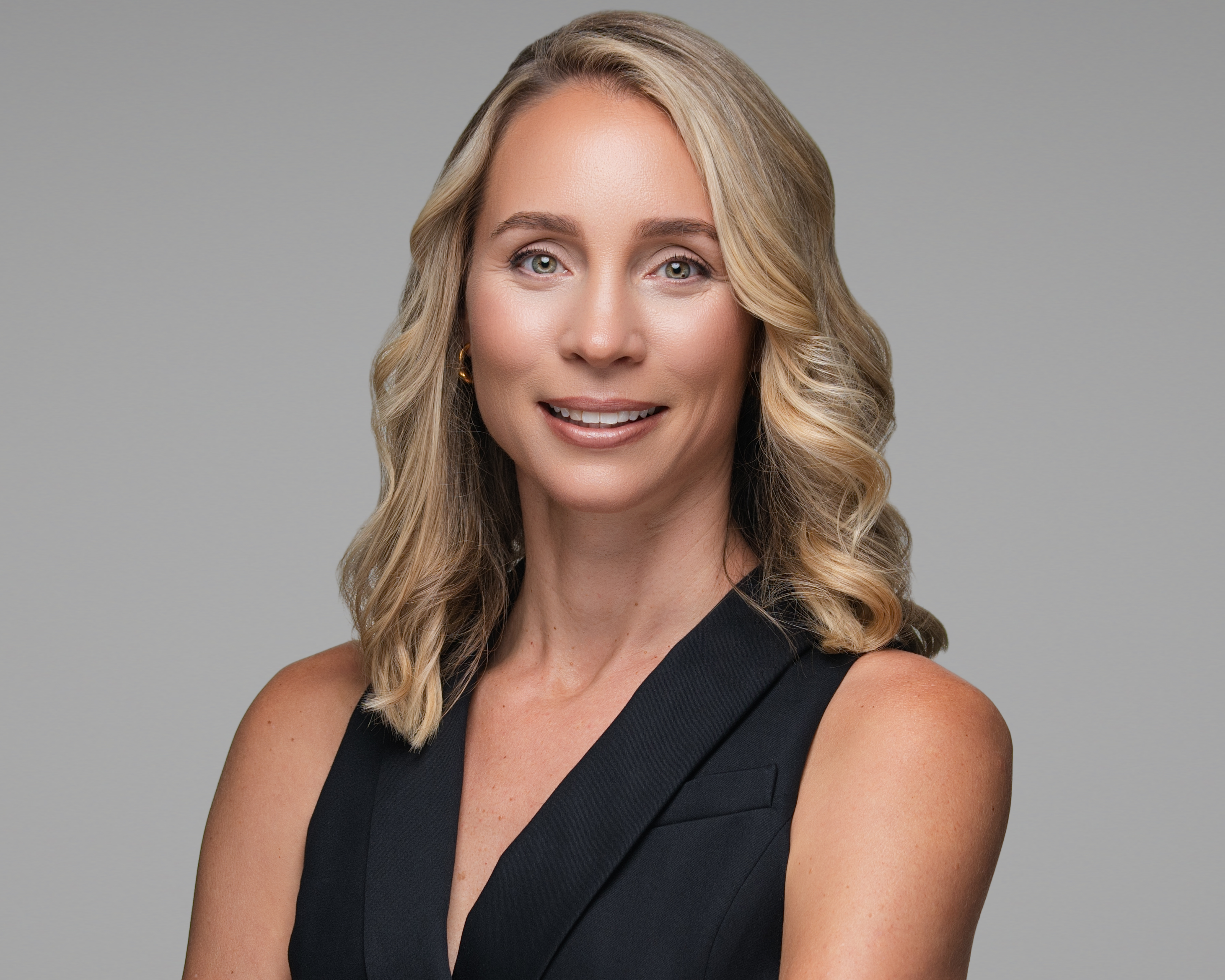
Headshots at events have become one of the most popular activations at annual meetings, trade shows, and professional conferences. As a Vancouver headshot photographer who works with corporate events, trade shows, and conferences across British Columbia, I've put together this guide to help event organizers plan a headshot activation that actually delivers value. A well-run conference headshot station creates real value for attendees, generates engagement, offers strong sponsorship opportunities, and gives people something they can actually use long after the event ends a professional corporate headshot for LinkedIn, a company website, or a speaker bio.

People may forget most of the swag they pick up at a conference, but a professional headshot photo can be used immediately on LinkedIn, company websites, speaker bios, email signatures, and marketing materials. When attendees receive their images quickly, the buzz around the activation builds fast making any sponsor more visible and giving the event team a stronger engagement story to tell. It's one of the reasons headshot booths outperform giveaways as a trade show floor activation, generating better leads and more genuine attendee interest.
A conference headshot activation is a powerful sponsorship opportunity because it gives attendees something they actually want and use.
A successful event headshot experience is not just about taking pictures — it's about creating something people enjoy enough to talk about.
Attendees should feel guided from the moment they arrive. Check-in should be clear, the line should make sense, and the professional photography team should provide direction, coaching, and enough encouragement to help people feel comfortable quickly. When the experience is well-run, attendees walk away feeling taken care of instead of rushed through a line.
Placement is one of the most important decisions in planning a conference photography activation. A great setup can create a lot of buzz but only if people can find it and understand what's happening.
Match the location to the goal. A headshot activation for an expo vendor serves a different purpose than a VIP headshot lounge for conference speakers. A sponsor may want booth traffic and lead capture; a conference organizer may want added value for attendees; a company may simply want updated team headshots while everyone is finally in the same place. The location should support that specific goal.
A headshot station can be simple or highly polished, depending on the scale of the event. The basics are straightforward, but the details matter.
There's no single right answer — the best approach depends on your event goals, attendee expectations, schedule, and how important it is for specific people to be photographed.
This is one of the most important planning questions, and the answer depends on event size, setup, attendee flow, and how polished the experience needs to be.
As a practical planning number: a single headshot station serving walk-ups in a high-traffic area can often photograph around 200 people during a full 8-hour event day. That estimate depends on the schedule, breaks, setup complexity, delivery workflow, and how much time each attendee receives.
After working on many conference and corporate headshot activations, a few planning lessons come up again and again:
Planning a conference, trade show, or corporate event in Vancouver and want to add a professional headshot? Get in touch to talk through logistics, sponsorship packages, and scheduling for your next event. Contact us today and let's discuss your ideas! When you hire a professional Vancouver corporate event photographer, you are not just hiring someone with a camera running around. You are hiring someone that understands lighting, composition, timing and unique of live event photographer.
Before I let you go, Alison specializes in family portrait photography in Calgary and has a little bit of information on what to expect from a documentary family photography session, what happens during a documentary family photography session.
%206.05.48%E2%80%AFp.m..png)
All content Copyright © 2026 RNS Photography

Contact:
+1 778-955-4777
rstirbu@rnsphotos.ca
8652 Joffre Ave, Burnaby, BC V5J 3L5
Check out the latest work and tips for new clients.